Vehicle Valuation Guide 2026 How to Calculate Car Value Easily
Introduction
Have you ever thought—your car’s real value today is actually how much? Many people believe they already know the price of their vehicle, but in reality, they often guess wrong. This small mistake can lead to big financial loss, especially when buying or selling a used car. A vehicle may look good from the outside, but its actual market value depends on many hidden factors like condition, mileage, and demand. That is why understanding vehicle valuation is very important for everyone who owns or plans to buy a vehicle.
In simple words, Vehicle Valuation means finding the correct current market price of a car, bike, or any vehicle. It helps you understand whether you are getting a fair deal or not. Without proper knowledge, many people either sell their vehicle at a low price or buy at a very high price. In this guide, you will learn everything step by step in very easy English, so you can make smart decisions and avoid loss.
What is Vehicle Valuation?

Vehicle Valuation is the process of calculating the current market value of a vehicle based on different factors such as age, condition, mileage, brand, and demand. It is not just guessing a price. Instead, it is a systematic way to determine what a vehicle is truly worth in today’s market. Vehicle Valuation This value keeps changing over time, which means a car that was expensive last year may be worth much less today due to depreciation and usage.
For example, if you bought a car for 10 lakh taka, after a few years, its value will decrease depending on how much it has been used and how well it has been maintained. This decrease in value is called vehicle depreciation, and it is one of the most important parts of valuation. Understanding this concept helps you estimate a fair selling or buying price without relying on guesswork.
Why Vehicle Valuation is Important
Buying a Vehicle
When you are planning to buy a used vehicle, knowing its correct value is very important. Many sellers try to set a higher price to make more profit. If you do not check the used car price estimation, you may end up paying more than the actual market value. This is a very common problem among buyers who do not do proper research.
By understanding vehicle valuation process, you can compare different options and choose the best one within your budget. It also gives you confidence during price negotiation because you already know what the vehicle is worth.
Selling a Vehicle
Selling a vehicle without proper valuation can also lead to loss. If you set the price too high, buyers may ignore your offer. On the other hand, if you set the price too low, Vehicle Valuation you will lose money. A correct vehicle market value helps you fix a competitive price that attracts buyers and ensures fair profit.
Moreover, buyers today are more informed. They often check online platforms before making a decision. So, if your price does not match the market, it becomes difficult to sell. That is why proper valuation is essential for a successful sale.
Loan and Financial Purpose
Banks and financial institutions often require a vehicle valuation report before approving loans. They need to know the actual value of the vehicle to decide how much money they can safely lend. If the valuation is too low, the loan amount will also be lower.
This is especially important for business owners who use vehicles for commercial purposes. A proper professional vehicle appraisal ensures transparency and helps both the lender and borrower make informed decisions.
Insurance Purpose
Insurance companies also depend on valuation to calculate premium and claim amounts. The vehicle insurance valuation determines how much you need to pay for insurance and how much you will receive in case of damage or loss. If your vehicle is overvalued, you may pay higher premiums.Vehicle Valuation If it is undervalued, you may get less compensation.
So, accurate valuation helps maintain a balance and ensures that you are neither overpaying nor under-protected.
Factors That Affect Vehicle Value
Vehicle Age and Depreciation
One of the biggest factors that affect a vehicle’s value is its age. As time passes, every vehicle loses value due to wear and tear. This process is called vehicle depreciation, and it starts from the moment a new car leaves the showroom.
For example, a brand-new car can lose a significant portion of its value within the first few years. After that, the depreciation rate becomes slower, but the value still keeps decreasing. This is why older vehicles are generally cheaper compared to new ones, even if they are in good condition.
Condition of the Vehicle
The physical and mechanical condition of a vehicle plays a major role in its valuation. A well-maintained vehicle with no major damage will always have a higher value compared to one with poor condition. Buyers usually check the engine, body, tires, and interior before deciding the price.
Regular maintenance, timely servicing, and proper care can increase the car resale value significantly. Even small details like clean interior and scratch-free body can make a big difference in the final price.
Mileage and Usage
Mileage indicates how much a vehicle has been used. It is usually measured in kilometers driven. A vehicle with low mileage is considered less used and therefore has a higher value. On the other hand, high mileage suggests heavy usage, which reduces the price.
Mileage is one of the first things buyers check when evaluating a vehicle. It directly impacts the used car value and helps buyers estimate the remaining life of the vehicle.
Brand, Model, and Demand
Not all vehicles have the same value in the market. Some brands are more popular due to their reliability, fuel efficiency, and resale value. These vehicles usually have higher demand and better pricing.
Market demand also plays an important role. For example, fuel-efficient and hybrid vehicles are becoming more popular, so their vehicle market value is increasing.
Location and Market Condition
The location where you are buying or selling a vehicle can also affect its price in a big way. In large cities, the demand for vehicles is usually higher because people need transport for daily work and business. As a result, the vehicle market value in urban areas is often higher compared to rural areas. On the other hand, in smaller towns or villages, demand may be lower, which can reduce the price.
Market condition is another important factor. If there are many similar vehicles available in the market, the price may go down due to competition. But if the supply is low and demand is high, the value can increase. Understanding this balance helps you decide the right time to buy or sell your vehicle.
Accident and Service History
A vehicle’s past history has a strong impact on its value. If a car has been involved in accidents, its price usually decreases even if it has been repaired properly. Buyers often feel less confident about such vehicles because they worry about future problems. This is why a clean history report is very important for maintaining a good car resale value.
Service history also matters a lot. A vehicle that has been regularly serviced and maintained properly will have a higher value compared to one with poor maintenance records. Keeping all service documents can help you prove that your vehicle is in good condition and increase buyer trust.
Methods of Vehicle Valuation
Market Comparison Method
The market comparison method is one of the easiest and most commonly used ways to estimate a vehicle’s value. In this method, you compare your vehicle with similar vehicles that are currently being sold in the market. These vehicles should have similar features such as brand, model, year, and condition.
By analyzing multiple listings, you can get a clear idea of the fair market value. This method is simple but very effective because it reflects the real market situation. However, you need to check several sources to avoid incorrect estimation.
Depreciation Method
The depreciation method calculates value by reducing the original price over time. Every vehicle loses value as it gets older, and this loss is calculated using a fixed or estimated rate. This method is often used by companies and financial institutions to determine the vehicle depreciation accurately.
For example, if a car loses 15–20% of its value each year, you can estimate its current price based on its age. Although this method is useful, it should be combined with other factors like condition and demand for better accuracy.
Professional Valuation
Professional valuation is done by experts who have experience in this field. They inspect the vehicle carefully and prepare a detailed vehicle valuation report. This report includes all important details such as condition, mileage, market trends, and final estimated value.
This method is highly reliable and is often required for bank loans, insurance claims, and legal purposes. Although it may cost some money, it provides accurate results and reduces the risk of financial loss.
Online Valuation Tools
In today’s digital world, many websites offer quick and easy online car valuation tools. You just need to enter basic details like model, year, mileage, and condition, and the tool will give you an estimated value within seconds.
These tools are very helpful for getting a quick idea, but they may not always be 100% accurate because they do not physically inspect the vehicle. Therefore, it is better to use them along with other methods for a more reliable estimate.
Step-by-Step Vehicle Valuation Process
Step 1: Collect Basic Information
The first step in the vehicle valuation process is to gather all necessary information about the vehicle. This includes brand, model, manufacturing year, mileage, fuel type, and overall condition. Having complete and accurate data is very important for correct valuation.
Step 2: Physical Inspection
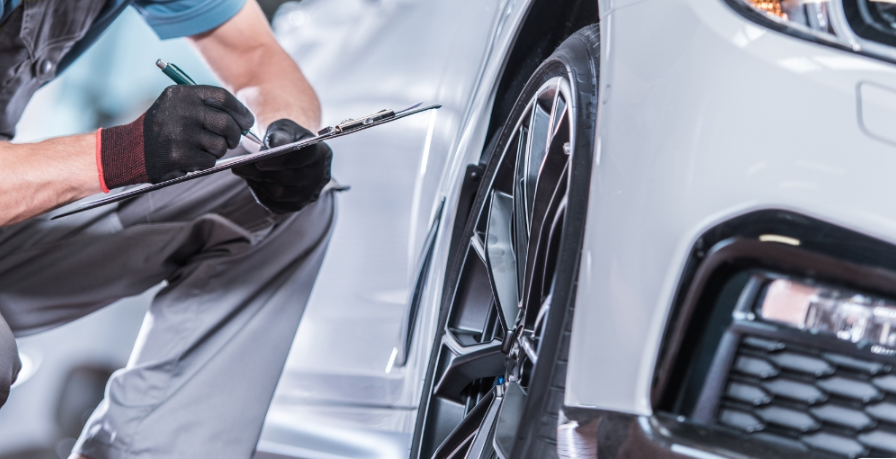
Next, you need to inspect the vehicle carefully. Check both the exterior and interior parts, including engine condition, tires, paint, and any visible damage. A detailed inspection helps you understand the real condition of the vehicle and identify any issues that may affect its value.
Step 3: Market Research
After inspection, you should research the market to find similar vehicles for sale. Compare prices, features, and conditions to get a clear idea of the current vehicle price. This step is very important because market trends can change frequently.
Step 4: Price Adjustment
Once you have a base price, you need to adjust it based on different factors such as condition, mileage, demand, and location. For example, if your vehicle is in better condition than others, you can set a slightly higher price. If it has issues, you may need to reduce the price.
Step 5: Final Valuation
After considering all factors, you can determine the final value of the vehicle. This value should be realistic and competitive so that it matches the market and attracts buyers. A well-calculated valuation increases the chances of a successful deal.
Common Mistakes in Vehicle Valuation
Overestimating the Price
One of the most common mistakes people make is overestimating the value of their vehicle. Many owners believe their vehicle is worth more because of emotional attachment or personal usage. However, the market does not consider emotions, only facts. Overpricing can make it difficult to find buyers.
Ignoring Market Trends
Another mistake is ignoring current market trends. Vehicle prices can change due to fuel prices, economic conditions, and demand. Without proper research, your valuation may become outdated and inaccurate.
Not Considering Condition
Some people ignore the actual condition of the vehicle and focus only on brand or model. This can lead to incorrect valuation. Buyers always check condition carefully, so it must be considered during pricing.
Relying on One Source
Depending on only one source for valuation is risky. It is always better to compare multiple sources such as online tools, market listings, and expert opinions to get a more accurate result.
Related Posts