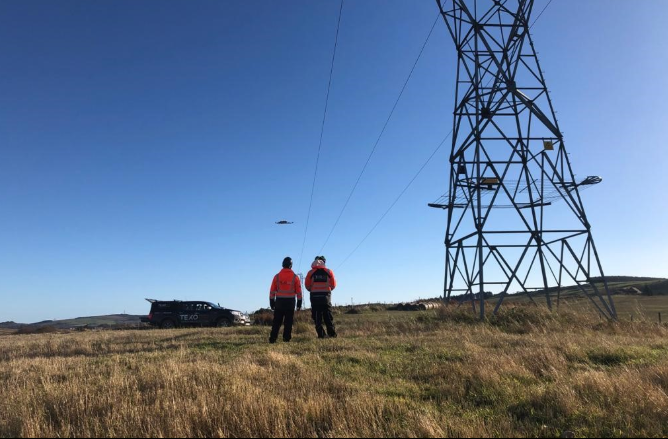
Over Head Power Transmission Line Survey
- masum
- May 11, 2026
- Uncategorized
Introduction
Have you ever looked at big electric towers and wondered. how engineers decide where to place them? How do they make sure the power line is safe, straight, and strong? The answer is simple. They do a very important survey before construction starts.
An Over Head Power Transmission Line Survey is the process of checking land. measuring distance, finding safe routes, and planning tower locations before building transmission lines. This survey helps engineers carry electricity safely from one place to another.
Today, electricity is very important for homes, offices, factories, hospitals, and industries. Without proper transmission lines, power cannot reach people safely. That is why power line survey, transmission line planning. and electrical route survey are very important.
In this article, you will learn everything about . Over Head Power Transmission Line Survey in very simple words. You will understand survey methods, equipment, steps, benefits, problems, and safety tips.
What is Over Head Power Transmission Line Survey?
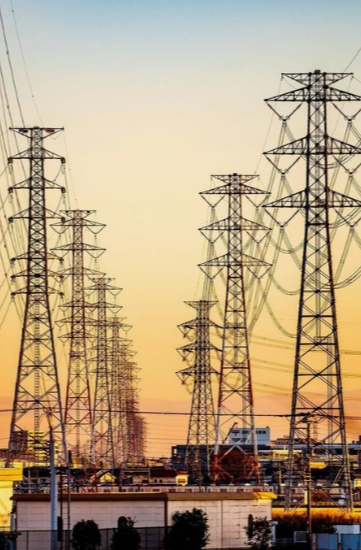
An Over Head Power Transmission Line Survey is a . survey done before installing electric transmission towers and wires above the ground.
The survey team checks:
- Land condition
- Distance
- Height difference
- Tower location
- Road access
- River crossing
- Forest area
- Village and city area
Why is Transmission Line Survey Important?
Without proper survey work, transmission lines can become dangerous. Towers may fall, wires may sag, or construction costs may increase.
A good survey helps engineers:
- Save time
- Save money
- Avoid dangerous areas
- Reduce construction problems
- Improve safety
- Plan tower positions properly
Main Purpose of Over Head Power Transmission Line Survey
The main purpose of this survey is to select the best route for power transmission.
Some important purposes are:
1. Finding Safe Route
Surveyors choose a safe route where towers can be installed easily.
They avoid:
- Flood areas
- Weak soil
- Busy cities
- Forests
- Airports
2. Measuring Distance
Surveyors measure the total route distance carefully.
This helps engineers estimate:
- Number of towers
- Wire length
- Construction cost
Accurate measurement is very important for successful projects.
3. Checking Ground Level
The survey team checks land height and slope.
This process is called topographic survey or ground level survey.
It helps engineers decide tower height and wire clearance. Over Head Power Transmission Line Survey.
4. Tower Location Planning
Each tower needs a strong and safe position.
Surveyors mark:
- Tower center point
- Tower spacing
- Turning angle
- Crossing points
Good planning reduces future maintenance problems.
Types of Transmission Line Survey
Different types of surveys are used in transmission line projects.
Route Survey
This survey finds the best path for the transmission line.
Surveyors study:
- Villages
- Roads
- Rivers
- Hills
- Forests
The goal is to choose the shortest and safest route. Over Head Power Transmission Line Survey.
Topographic Survey
This survey measures:
- Ground height
- Land slope
- Natural features
It helps engineers understand land condition properly.
Topographic mapping is very important for tower design.
Soil Survey
The soil must be strong enough to hold heavy towers.
Surveyors test:
- Soil type
- Soil strength
- Water level
Weak soil can damage tower foundations.Over Head Power Transmission Line Survey
GPS/GNSS Survey
Modern survey teams use GPS survey and GNSS survey for accurate positioning.
These tools provide:
- Exact coordinates
- Fast measurements
- Better accuracy
Today, GPS technology is widely used in power projects.
Drone Survey
Many companies now use drones for aerial surveys.
Drone survey helps:
- Capture images
- Measure difficult areas
- Save time
- Reduce field risk
Equipment Used in Transmission Line Survey
Different survey tools are used during the project.
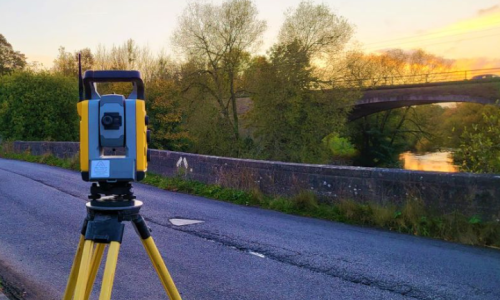
Total Station
A Total Station Survey machine measures:
- Distance
- Angle
- Coordinates
It is one of the most important survey instruments.
GPS Receiver
GPS receivers help find exact location points.
They improve survey accuracy and speed.
Drone
Drones capture aerial images and videos of the project area.
This helps engineers study large areas easily.
Measuring Tape
Simple measuring tape is still useful for small measurements.
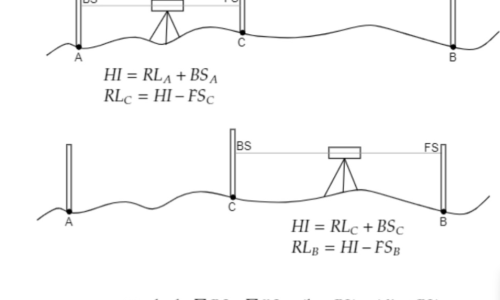
Auto Level
An auto level checks ground level and elevation.
It helps maintain proper tower height.
Over Head Power Transmission Line Survey
The survey process follows several important steps. Over Head Power Transmission Line Survey.
1: Office Study
First, engineers study maps and satellite images.
They collect information about:
- Roads
- Rivers
- Villages
- Hills
2: Field Visit
Surveyors visit the actual site.
They inspect:
- Land condition
- Access roads
- Obstacles
- Soil condition
Field checking is very important.
3: Route Selection
After field checking, engineers select the best route.
The route should be:
- Safe
- Short
- Economical
- Easy for construction
4: Tower Spotting
Surveyors mark tower locations carefully.
They also check:
- Tower spacing
- Turning angle
- Clearance distance
Proper tower spotting improves project safety. Over Head Power Transmission Line Survey
5: Data Collection
All survey data is collected and recorded.
This includes:
- Coordinates
- Elevation
- Distance
- Soil information
Modern Technology Used in Transmission Line Survey
Technology has made survey work faster and more accurate. In the past, survey teams needed more time and workers. Now modern equipment helps complete work easily.
Today, many companies use digital surveying methods for better results.
GIS Technology
GIS Survey means Geographic Information System survey.
GIS helps engineers:
- Store map data
- Analyze land information
- Plan transmission routes
- Manage survey records
It improves planning quality and reduces mistakes.
LiDAR Survey
LiDAR Survey is a modern laser scanning technology.
It helps measure:
- Ground elevation
- Trees
- Buildings
- Power line clearance
LiDAR is very useful in hilly and forest areas. Over Head Power Transmission Line Survey
Satellite Mapping
Satellite images help survey teams understand large project areas quickly.
Engineers can identify:
- Rivers
- Roads
- Villages
- Mountains
Digital Mapping
Modern software creates accurate digital maps.
These maps help engineers:
- Design routes
- Calculate tower positions
- Prepare construction plans
Digital maps are easier to update than paper maps.
Important Factors in Transmission Line Survey
Surveyors must consider many things before finalizing a route.
A small mistake can create huge problems later.
Land Condition
The land must be suitable for tower construction.
Surveyors avoid:
- Marshy land
- Flood-prone areas
- Soft soil
- Landslide areas
Strong land improves tower stability.
Environmental Protection
Transmission lines should not damage nature badly.
Surveyors try to reduce:
- Tree cutting
- Forest damage
- Wildlife disturbance
This is called environmental survey planning.
Safety Clearance
Power lines must maintain safe distance from:
- Houses
- Roads
- Railways
- Buildings
This is known as electrical safety clearance. Over Head Power Transmission Line Survey.
River Crossing
Sometimes transmission lines cross rivers.
Surveyors must carefully measure:
- River width
- Water level
- Tower distance
River crossing requires special tower design.
Road Access
Construction vehicles need proper roads.
Surveyors check whether:
- Trucks can enter
- Heavy equipment can move
- Materials can be transported easily
Good road access reduces construction difficulty.
Challenges in Over Head Power Transmission Line Survey
Transmission line survey is not always easy.
Survey teams often face many challenges. Over Head Power Transmission Line Survey.
Bad Weather
Rain, storms, and extreme heat can slow survey work.
Flooded land can also create problems.
Bad weather increases survey risk and delays projects.
Difficult Terrain
Hills, forests, rivers, and rocky areas are difficult for survey work.
Survey teams may need:
- Extra equipment
- More workers
- More time
Mountain areas are especially challenging.
Land Ownership Problems
Sometimes local people do not agree with tower placement.
Land disputes can delay projects for months.
Good communication is very important.
Dense Forest Areas
Forest routes are difficult because:
- Trees block visibility
- Movement becomes hard
- Wildlife risk increases
Survey teams must work carefully in these areas.
Urban Area Problems
Cities and towns have:
- Buildings
- Roads
- Heavy traffic
- Limited space
Safety Rules During Survey Work
Safety is very important in power transmission projects.
Surveyors must follow proper safety rules.
Wear Safety Equipment
Survey workers should wear:
- Helmet
- Safety shoes
- Reflective vest
- Gloves
Avoid High-Risk Areas
Survey teams should avoid:
- Dangerous slopes
- Flood areas
- Electric hazards
Use Proper Communication
Survey teams should stay connected using:
- Mobile phones
- Radios
- GPS tracking
Follow Electrical Safety Rules
Workers must maintain safe distance from existing power lines.
Electric shock can be very dangerous.
Benefits of Proper Transmission Line Survey
A good survey provides many advantages.
It helps both engineers and project owners.
Reduces Construction Cost
Good planning reduces:
- Material waste
- Wrong tower placement
- Extra labor cost
Improves Project Speed
When survey work is accurate, construction becomes faster.
Workers can complete tower installation smoothly.
Increases Safety
Proper survey reduces:
- Tower collapse risk
- Electrical accidents
- Construction hazards
Safety is improved for workers and the public.
Better Power Supply
Well-planned transmission lines provide stable electricity.
This improves:
- Industrial production
- Home electricity
- Business activities
Reliable power is very important for development.
Difference Between Transmission Line Survey and Distribution Line Survey
Many people confuse these two surveys.
But they are different.
Transmission Line Survey
Distribution Line Survey
Used for high voltage power
Used for local electricity supply
Long-distance transmission
Short-distance supply
Uses large towers
Uses smaller poles
Connects power stations
Connects homes and shops
More complex survey
Simpler survey
Both are important in the electrical system.
Career Opportunities in Transmission Line Survey
Today, survey engineering is a growing profession.
Many companies need skilled surveyors.
Survey Engineer
Survey engineers manage:
- Field survey
- Data collection
- Route planning
They work in power and construction companies.
GIS Specialist
GIS experts manage mapping and digital survey data.
This is a modern and high-demand job.
Drone Survey Operator
Drone technology is growing very fast.
Drone operators help capture aerial survey data.
Site Supervisor
Site supervisors monitor field work and tower installation.
They ensure proper construction quality.
Tips for Better Transmission Line Survey
Here are some useful tips for successful survey work.
Always Check Weather
Good weather improves survey accuracy and safety.
Avoid heavy rain and storms.
Use Modern Equipment
Modern survey tools improve:
- Speed
- Accuracy
- Data quality
GPS and drones are very useful.
Double-Check Measurements
Wrong measurements can create serious construction problems.
Always verify important data.
Future of Over Head Power Transmission Line Survey
Technology is changing very fast. Modern survey methods are becoming smarter, faster, and safer.
In the future, transmission line surveys will use more:
- Artificial Intelligence (AI)
- Smart drones
- 3D mapping
- Automated survey systems
These technologies will improve accuracy and reduce human effort.
Many companies are already using smart survey technology in large power projects.
Importance of Transmission Line Survey in Bangladesh
Bangladesh is developing very quickly. New industries, factories, and cities need more electricity every year.
A proper power transmission survey helps:
- Supply electricity safely
- Reduce power loss
- Improve rural electrification
- Support industrial growth
Without proper survey work, power projects may fail or become unsafe.
Common Mistakes During Transmission Line Survey
Sometimes survey teams make mistakes that create problems later.
Let us learn some common mistakes.
Wrong Tower Position
If tower locations are wrong, wires may not maintain safe clearance.
This can become dangerous during storms or heavy wind.
Poor Soil Investigation
Weak soil can damage tower foundations.
Proper soil testing is very important before construction starts.
Ignoring Environmental Issues
Cutting too many trees or damaging natural areas can create environmental problems.
Surveyors should always follow environmental rules.
Incorrect Measurements
Small measurement errors can create large design problems later.
Survey data must always be checked carefully.
Role of Survey Engineers in Transmission Projects
Survey engineers play a very important role in power projects.
They help from the beginning to the end of the project.
Their responsibilities include:
- Route planning
- Land measurement
- Tower spotting
- GPS data collection
- Preparing survey maps
- Supporting construction teams
Without survey engineers, transmission line projects cannot run smoothly.
Best Practices for Successful Survey Work
Professional survey teams follow some important practices.
These practices improve quality and safety.
Team Coordination
Survey work needs good teamwork.
Engineers, workers, drone operators, and GIS specialists must work together properly.
Daily Data Backup
Survey data is very valuable.
Always keep backup copies of:
- GPS data
- Maps
- Coordinates
- Drawings
Use Accurate Instruments
Old or damaged equipment may give wrong measurements.
Always calibrate survey instruments before work.
Follow Government Rules
Survey teams must follow local laws and regulations.
This helps avoid legal problems during construction.
Environmental Impact of Transmission Line Projects
Large transmission projects can affect nature if not planned properly.
That is why environmental study is very important.
Tree Cutting
Sometimes trees must be removed for tower construction.
Surveyors try to reduce unnecessary tree cutting.
Wildlife Protection
Transmission routes should avoid important wildlife areas.
This helps protect birds and animals.
Noise and Dust Control
Construction work can create noise and dust.
Proper planning helps reduce environmental pollution.
Difference Between Manual Survey and Modern Survey
Survey methods have changed a lot over time.
Manual Survey
Modern Survey
Slow process
Fast process
Less accurate
Highly accurate
More manpower needed
Less manpower needed
Paper maps used
Digital maps used
Higher chance of error
Lower chance of error
Modern survey technology saves both time and money.
Why Accuracy is Important in Transmission Line Survey
Accuracy is one of the most important parts of survey work.
Even a small mistake can create:
- Tower alignment problems
- Wire clearance issues
- Construction delays
- Safety risks
That is why surveyors carefully check every measurement.
Real-Life Example of Transmission Line Survey
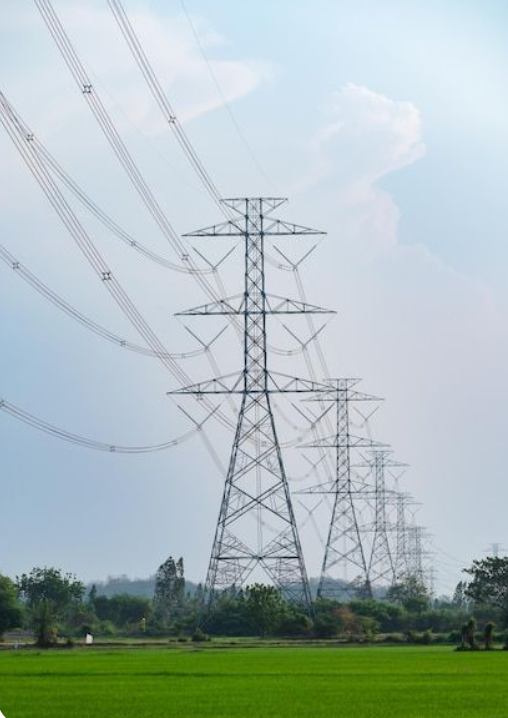
Imagine a company wants to build a new power line from one city to another.
The survey team first studies maps and satellite images.
Then they visit the field to check:
- Villages
- Rivers
- Roads
- Hills
- Soil condition
After collecting all data, engineers select the safest and most economical route.
Finally, tower positions are marked and construction begins.
This is how a real transmission line survey works.
Bottom Line
An Over Head Power Transmission Line Survey is a very important part of power projects. It helps engineers select safe routes, measure land, plan tower . locations, and ensure reliable electricity transmission.
A proper survey improves:
- Safety
- Accuracy
- Construction quality
- Project speed
- Cost control
Modern technologies like GPS survey, GIS mapping, drone survey. LiDAR survey have made transmission line surveys faster and more accurate.
Related Posts