Under Ground Power Cable Line, Drainage System Survey
- masum
- May 12, 2026
- Uncategorized
Introduction
Have you ever wondered how electricity cables stay safe under the ground? Or how engineers stop water from damaging roads, buildings, and power lines? The answer is proper survey work.
Today, modern cities need safe electricity systems and strong drainage systems. Before any underground cable or drainage line is installed. engineers must carefully study the land. This process is called Under Ground Power Cable Line, Drainage System Survey.
Without proper survey work, many problems can happen. Roads may crack. Water may collect in low areas. Underground cables may get damaged. Sometimes accidents also happen because of wrong measurements.
That is why survey work is one of the most important steps before construction starts.
What is Under Ground Power Cable Line Survey?
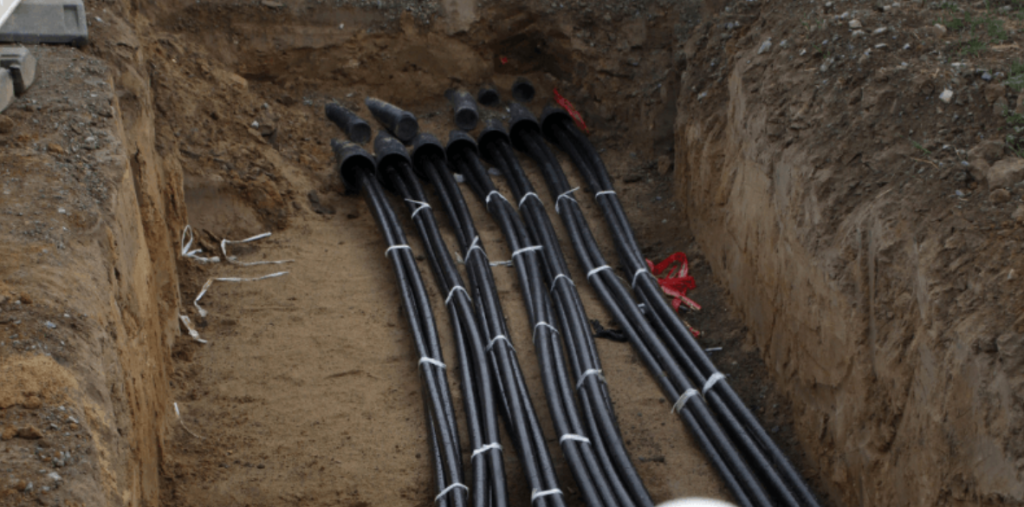
Survey engineers collect important information such as:
- Ground level
- Road position
- Soil condition
- Existing pipelines
- Water drainage
- Building location
- Cable route
Why is Underground Cable Survey Important?
Underground cable installation is expensive. A small mistake can create a huge problem later.
A proper survey helps to:
- Prevent cable damage
- Avoid water logging
- Reduce maintenance cost
- Improve public safety
- Protect nearby structures
- Find the best cable route
What is Drainage System Survey?
A Drainage System Survey is the process of studying how water moves through an area.
Engineers check:
- Water flow direction
- Low land areas
- Existing drains
- Flood risk
- Soil absorption
- Drainage slope
The main goal is to remove rainwater safely.
Good drainage systems protect: Under Ground Power Cable Line Drainage System Survey
- Roads
- Buildings
- Underground cables
- Bridges
- Factories
- Residential areas
Why Drainage Survey is Important for Underground Cable Lines
Water is one of the biggest enemies of underground electric cables.
If water enters cable ducts, serious damage can happen.
Because of this, engineers always study the drainage system before cable installation.
Benefits of Proper Drainage Survey
1. Prevents Water Damage
Standing water can damage underground power cables.
Good drainage planning keeps cables dry and safe.
2. Increases Cable Life
Dry conditions help cables last longer.
3. Reduces Flood Risk
Drainage surveys help remove extra rainwater quickly.
4. Improves Public Safety
Poor drainage can create road accidents and electrical hazards.Under Ground Power Cable Line Drainage System Survey
Main Steps of Under Ground Power Cable Line Survey
Survey work is done step by step.
1. Reconnaissance Survey
This is the first visit to the project area.
Survey engineers check:
- Road condition
- Traffic system
- Existing utilities
- Drainage lines
- Buildings
- Trees
- Rivers or canals
2. Route Selection
Choosing the correct cable route is very important.
Engineers select routes that are:
- Safe
- Short
- Dry
- Easy to maintain
- Less crowded
They avoid:
- Flood areas
- Rocky soil
- Busy highways
- Weak land
Tips for Better Route Planning
- Avoid sharp bends
- Maintain safe distance from gas lines
- Keep away from heavy drainage channels
- Use straight routes when possible
3. Topographic Survey
A Topographic Survey measures land height and surface features.
Surveyors collect data about:
- High land
- Low land
- Road levels
- Drain slopes
- Water bodies
This survey is very important for drainage design. Under Ground Power Cable Line Drainage System Survey
Equipment Used
Common survey tools include:
- Total Station
- GPS/GNSS
- Auto Level
- Drone Survey
- Measuring Tape
Modern technology makes survey work faster and more accurate.
GPS/GNSS Survey in Underground Cable Projects
Today many projects use GPS/GNSS Survey technology.
GPS helps surveyors collect exact land coordinates.
Benefits of GPS/GNSS Survey
High Accuracy
GPS gives very accurate location data.
Fast Data Collection
Large areas can be surveyed quickly.Under Ground Power Cable Line Drainage System Survey
Better Mapping
Surveyors can create digital maps easily.
Time Saving
Projects finish faster with GPS technology.
Because of these benefits, GPS survey is now widely used in power and drainage projects.
Utility Mapping Survey
Before digging the ground, engineers must know what already exists underground.
This process is called Utility Mapping Survey.
Surveyors identify:
- Water pipes
- Gas lines
- Internet cables
- Sewer lines
- Old electric cables
This helps avoid accidents during excavation.
Why Utility Mapping Matters
Imagine digging the road and damaging a gas pipe. It can create a dangerous situation.
Proper utility mapping prevents these problems. Under Ground Power Cable Line Drainage System Survey
Soil Investigation Survey
Soil condition is very important for underground cable installation.
Some soil holds water. Some soil becomes weak during rain.
Engineers test soil to understand:
- Soil strength
- Water content
- Soil type
- Load capacity
Common Soil Types
- Clay soil
- Sandy soil
- Rocky soil
- Soft soil
Drainage Design Survey
Drainage design survey helps engineers create a proper water removal system.
They calculate:
- Water flow
- Drain size
- Drain slope
- Rainwater capacity
Survey Equipment Used in Underground Cable and Drainage Projects
Modern survey work depends on advanced tools and machines. These tools help engineers collect accurate data quickly.
Using the right equipment improves project quality and reduces mistakes. Under Ground Power Cable Line Drainage System Survey
1. Total Station
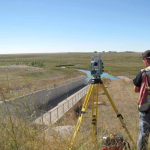
A Total Station is one of the most important survey instruments.
It measures:
- Distance
- Angle
- Height
- Coordinates
Surveyors use this tool for precise land measurement.Under Ground Power Cable Line Drainage System Survey
Benefits of Total Station
- High accuracy
- Fast measurement
- Digital data collection
- Easy mapping
2. GPS/GNSS Receiver
A GPS/GNSS Receiver helps surveyors find exact locations on the earth.
This technology is very useful for large projects.
Advantages of GPS Survey
- Saves time
- Covers large areas
- Provides accurate coordinates
- Reduces manpower
3. Auto Level Machine
An Auto Level measures ground level differences. Under Ground Power Cable Line Drainage System Survey
It is mainly used for:
- Drain slope checking
- Road level measurement
- Water flow planning
Proper leveling is very important for drainage systems.
4. Drone Survey
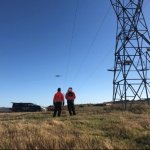
Modern projects now use Drone Survey Technology.
Drones capture aerial images and land data quickly.
Benefits of Drone Survey
- Fast area coverage
- Better site visualization
- Reduced survey time
- Improved safety
Large industrial and power projects often use drones today.
Underground Cable Installation Process
After survey work is complete, the installation process starts.
Each step must be done carefully. Under Ground Power Cable Line Drainage System Survey
1. Site Clearing
Before excavation, workers clean the area.
They remove:
- Trees
- Waste materials
- Old structures
- Obstacles
2. Excavation Work
Next, trenches are dug for cable placement.
Engineers decide trench depth based on:
- Cable type
- Soil condition
- Safety standards
Important Excavation Tips
- Keep trench walls stable
- Avoid water accumulation
- Follow safety rules
- Use warning signs
3. Cable Bedding
A soft layer is placed under the cable.
Usually sand is used.
This protects the cable from damage. Under Ground Power Cable Line Drainage System Survey
Why Sand Bedding is Important
Sand reduces pressure on the cable and prevents sharp objects from damaging it.
4. Cable Laying
Now the underground cable is placed carefully inside the trench.
Engineers ensure:
- Correct alignment
- Safe bending radius
- Proper spacing
5. Protective Cover Installation
Protective materials are placed above the cable.
Common materials include:
- Brick protection
- Concrete slab
- Warning tape
These layers help prevent accidental damage during future digging.
6. Backfilling Work
After installation, the trench is filled again.
Soil is compacted properly to prevent future sinking. Under Ground Power Cable Line Drainage System Survey
Good Backfilling Practices
- Use clean soil
- Compact layer by layer
- Avoid large stones
- Maintain road level
Drainage System Construction Process
Drainage systems are also built step by step.
Let us understand the process simply. Under Ground Power Cable Line Drainage System Survey
1. Drain Alignment Survey
Engineers first mark the drain route.
The route should allow smooth water flow.
2. Slope Measurement
Drain slope is very important.
Water cannot move properly without correct slope.
Surveyors carefully check:
- High points
- Low points
- Natural water direction
3. Excavation for Drain
Workers dig according to drain design.
The width and depth depend on:Under Ground Power Cable Line Drainage System Survey
- Rainfall amount
- Area size
- Water flow capacity
4. Drain Construction
Different drainage systems use different materials.
Common materials are:
- RCC pipe
- Brick drain
- Concrete channel
- PVC pipe
5. Water Flow Testing
After construction, engineers test the system.
They check whether water flows smoothly or not.
If water gets blocked, corrections are made immediately.Under Ground Power Cable Line Drainage System Survey
Common Problems in Underground Cable and Drainage Survey
Many challenges appear during survey work.
Experienced engineers must solve these problems carefully.
1. Water Logging
Low areas often collect rainwater.
This creates problems for underground cable installation.
Solution
- Improve drainage design
- Raise cable level
- Install water protection systems
2. Traffic Problems
Busy roads make survey work difficult.Under Ground Power Cable Line Drainage System Survey
Solution
- Work during low traffic hours
- Use traffic control systems
- Follow public safety rules
3. Existing Utility Conflicts
Old underground pipes and cables may block new routes.
Solution
- Use utility mapping survey
- Check old engineering drawings
- Use underground detection equipment
4. Soft Soil Condition
Weak soil may collapse during excavation.
Solution
- Use soil stabilization
- Add protective support
- Improve trench design
Safety Rules in Underground Cable Survey
Safety is one of the most important parts of survey work.
Every worker must follow safety guidelines.Under Ground Power Cable Line Drainage System Survey
Important Safety Tips
Wear Safety Equipment
Workers should use:
- Helmet
- Gloves
- Safety shoes
- Reflective jacket
Use Warning Signs
Construction areas should have warning boards.
This protects both workers and the public. Under Ground Power Cable Line Drainage System Survey
Avoid Unsafe Excavation
Deep trenches without support are dangerous.
Always follow trench safety standards.
Check Electrical Hazards
Before digging, engineers must identify existing power lines.
Environmental Importance of Proper Drainage System
Good drainage systems protect the environment.
Without proper drainage:
- Roads flood easily
- Soil erosion increases
- Water pollution spreads
- Buildings become weak
Future Technology in Survey Engineering
Survey engineering is changing very fast.
Modern technology is making projects smarter and safer.Under Ground Power Cable Line Drainage System Survey
New Technologies Include
- GIS Mapping
- 3D Laser Scanning
- Drone Mapping
- Digital Terrain Model
- AI-based Survey Analysis
- Smart Utility Detection
Best Practices for Under Ground Power Cable Line Survey
Good survey work reduces future problems. Engineers always follow some important practices to improve project quality.
These practices help save time, money, and manpower. Under Ground Power Cable Line Drainage System Survey
1. Study the Area Carefully
Before starting work, surveyors should fully understand the project area.
They should check:
- Roads
- Buildings
- Water bodies
- Existing utilities
- Traffic movement.
2. Use Modern Survey Technology
Modern tools improve accuracy.
Using GPS/GNSS Survey, Drone Mapping, and GIS Survey makes work faster and safer.
Digital data also helps engineers create better designs. Under Ground Power Cable Line Drainage System Survey
3. Maintain Proper Drainage Slope
Drainage slope is one of the most important parts of the project.
If the slope is too low, water cannot flow properly.
If the slope is too high, erosion may happen.
Proper slope design ensures smooth water movement.Under Ground Power Cable Line Drainage System Survey
4. Protect Underground Cables from Water
Water protection is very important for underground electric systems.
Engineers use:
- Waterproof ducts
- Protective covering
- Drainage channels
- Sand bedding
5. Follow Safety Standards
Construction and survey work always involve risk.
Every project should follow proper safety rules.
Important Safety Standards
- Use protective equipment
- Maintain trench safety
- Install warning signs
- Check underground utilities first
- Follow electrical safety procedures
Real-Life Importance of Underground Cable and Drainage Survey
You may ask, “Why is this survey work so important in real life?”
The answer is simple.
Almost every modern city depends on underground utility systems.
Without proper survey work:
- Roads may collapse
- Water may flood streets
- Power supply may fail
- Repair costs may increase
That is why survey engineers play a very important role in modern development. Under Ground Power Cable Line Drainage System Survey
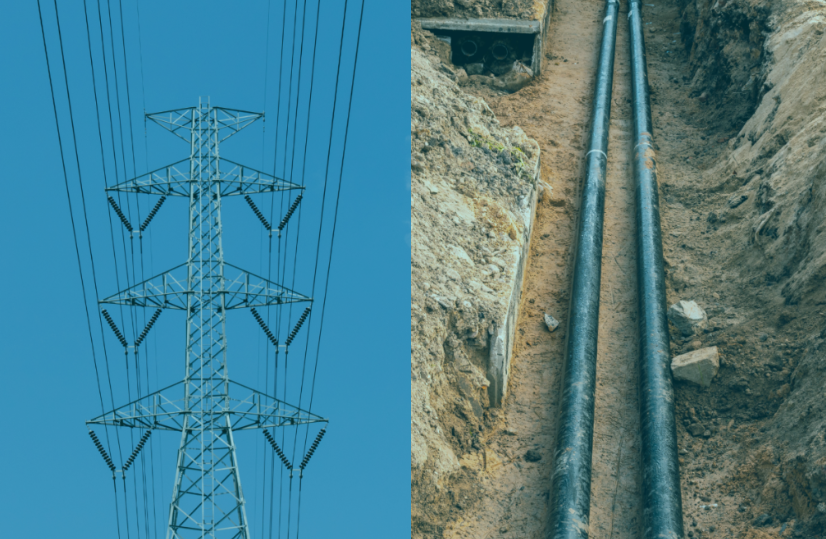
Difference Between Overhead and Underground Power Line Survey
Many people confuse overhead and underground power systems.
But they are very different.
Topic
Underground Cable Survey
Overhead Line Survey
Cable Position
Under the ground
Above the ground
Weather Risk
Lower
Higher
Maintenance
Difficult
Easier
Safety
More secure
More exposed
Installation Cost
Higher
Lower
Visual Appearance
Cleaner
Visible wires Under Ground Power Cable Line Drainage System Survey
Advantages of Underground Power Cable System
Underground cable systems provide many benefits.
1. Better Safety
Underground cables are safer from storms and accidents.
They also reduce electric shock risk.
2. Improved City Appearance
There are no hanging wires.
Cities look cleaner and more modern. Under Ground Power Cable Line Drainage System Survey
3. Less Weather Damage
Heavy rain and storms affect underground cables less.
This improves power reliability.
4. Reduced Maintenance
Underground systems usually need less frequent repair. Under Ground Power Cable Line Drainage System Survey
Disadvantages of Underground Cable System
Although underground systems are good, they also have some challenges.
1. High Installation Cost
Underground cable installation is expensive.
Survey, excavation, and protection systems increase cost.
2. Difficult Repair Work
Finding underground cable faults takes time.
3. Drainage Problems
Poor drainage can damage cables.
That is why drainage survey is extremely important.
Importance of GIS in Underground Utility Survey
GIS (Geographic Information System) is now widely used in survey engineering.
GIS helps store and manage land data digitally.
GIS Helps Engineers:
- Create utility maps
- Track cable locations
- Analyze drainage systems
- Manage construction data
- Improve planning
GIS technology improves project management significantly.
Smart City Development and Underground Survey
Modern smart cities depend heavily on underground infrastructure.
Smart city projects need:
- Underground power lines
- Smart drainage systems
- Fiber optic networks
- Sewer systems
- Water supply systems
All these systems require proper survey work.
Without accurate survey data, smart city development becomes difficult.
How Climate Change Increases Drainage Survey Importance
Climate change is increasing heavy rainfall and flooding in many areas.
Because of this, drainage planning has become more important than ever.
Proper drainage systems help:
- Reduce urban flooding
- Protect underground utilities
- Improve road safety
- Prevent water damage
Survey engineers now focus more on flood management planning.
Tips for Students Learning Survey Engineering
Many students want to build careers in survey engineering.
Here are some useful tips.
Learn Basic Survey Instruments
Practice using:
- Total Station
- GPS Receiver
- Auto Level
- Measuring Tools
Practical knowledge is very important.
Improve Computer Skills
Modern survey work depends on software.
Learn programs such as:
- AutoCAD
- GIS Software
- Civil 3D
- Survey Data Processing Software
Study Field Work Carefully
Survey engineering is not only classroom learning.
Field experience is very important.
Try to join:
- Site visits
- Practical training
- Internship programs
Learn Safety Rules
Safety knowledge is essential for every survey engineer.
Always understand:
- Electrical safety
- Excavation safety
- Construction safety
- Traffic management
Common Mistakes in Drainage System Survey
Small mistakes can create major future problems.
Let us see some common survey mistakes.
Incorrect Slope Design
Wrong slope stops proper water flow.
This creates water logging problems.
Ignoring Soil Condition
Weak soil may damage drainage structures later.
Soil testing is very important.
Poor Utility Mapping
Failure to identify underground utilities can cause accidents.
Wrong Measurement
Small measurement errors may create large construction problems.
Accurate surveying is extremely important.
Future Demand for Underground Infrastructure
The demand for underground infrastructure is increasing every year.
Reasons include:
- Urban development
- Smart city projects
- Population growth
- Better safety requirements
- Improved city planning
As cities become more modern, underground systems will become more common.
This means survey engineering will remain a highly important profession.
Bottom Line
Under Ground Power Cable Line, Drainage System Survey is a very. important part of modern construction and infrastructure development.
It helps engineers design safe underground cable systems and effective drainage networks. Proper survey work prevents flooding, protects electrical systems. improves safety, and reduces future repair costs.
Modern technologies like GPS/GNSS Survey, GIS Mapping, Drone Survey. and Utility Detection Systems have made survey work faster and more accurate.
Related Posts