Bridge Survey
- masum
- May 6, 2026
- Uncategorized
Introduction
Have you ever wondered how engineers choose the right place to build a bridge? How do they know if the land is strong enough or if the river is safe for construction? The answer is simple—Bridge Survey.
Before any bridge construction starts, engineers carefully study the area. They measure the land, check the soil, study water flow. and understand the surroundings. This helps them make a safe and strong bridge plan.
A proper Bridge Survey saves time, reduces cost, and avoids future problems. It also helps create a bridge that can stand strong for many years.
What Is Bridge Survey?
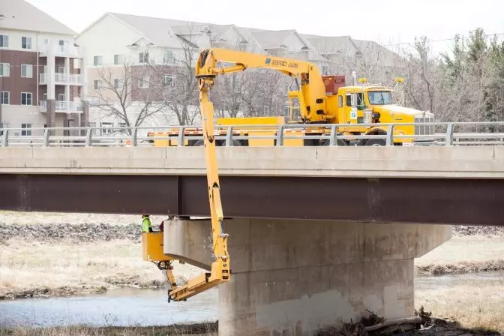
Bridge Survey is the process of studying a site before bridge construction. It helps engineers understand whether the location is suitable for a bridge.
This survey includes many types of checking and measuring. Every small detail is important.
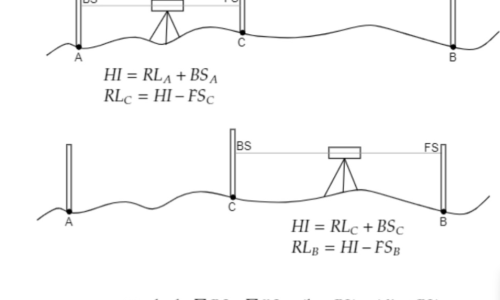
Engineers check the shape of the land. They measure distance, width, and height differences.
They also check soil testing, land measurement, construction planning, and site analysis. These are important parts of bridge design.
If the bridge is built over water, engineers also study river flow. They check water depth and flood level.
This helps them choose the right bridge structure. It also helps create a safe foundation.
Why Is Bridge Survey Important?
Many people think construction starts with machines and workers. But real construction starts with planning.
And planning starts with survey work.
A proper Bridge Survey helps engineers avoid mistakes. It gives correct information about the site.
Here are some reasons why it is important:
1) Selects the Best Location
Not every place is good for a bridge. Some places have weak soil.
Some places have too much water pressure. Some areas may have flood risk.
Survey helps engineers find the best location. This makes construction safer.
2) Checks Soil Strength
A bridge stands on its foundation. If the soil is weak, the bridge can become dangerous.
That is why soil investigation is very important. Engineers test how strong the ground is.
They check how deep strong soil is found. Then they design the foundation.
3) Helps in Safe Design
Every bridge needs a proper design. The design depends on survey data.
Engineers use topographic survey, engineering survey, and foundation planning to create the design. Correct data means correct design.
4) Saves Money
Wrong planning increases cost. Construction mistakes are expensive.
Good survey reduces mistakes. It helps control the budget.
Main Parts of Bridge Survey
Bridge Survey is not one simple task. It includes different survey works.
Let’s understand them one by one.
Reconnaissance Survey
This is the first visit to the site. Engineers look at the area closely.
They check roads, rivers, nearby buildings, and land condition. This gives a basic idea.
They also study transport access. Construction materials must reach the site easily.
Topographic Survey
This survey measures land shape. It checks height, slope, and surface condition.
Engineers prepare maps using level measurement and site mapping. These maps help in planning.
Hydrological Survey
This is important for river bridges. Engineers study water behavior.
They check river depth. They measure water speed.
They study flood history. They also check erosion risk.
This helps build a stronger bridge foundation.
Geological Survey
This survey checks underground conditions. Engineers study rock and soil layers.
They look for weak ground zones. They test land stability.
This is a very important step for long-lasting construction.
Equipment Used in Bridge Survey
Modern survey work uses advanced tools. These tools give accurate data.
Common equipment includes:
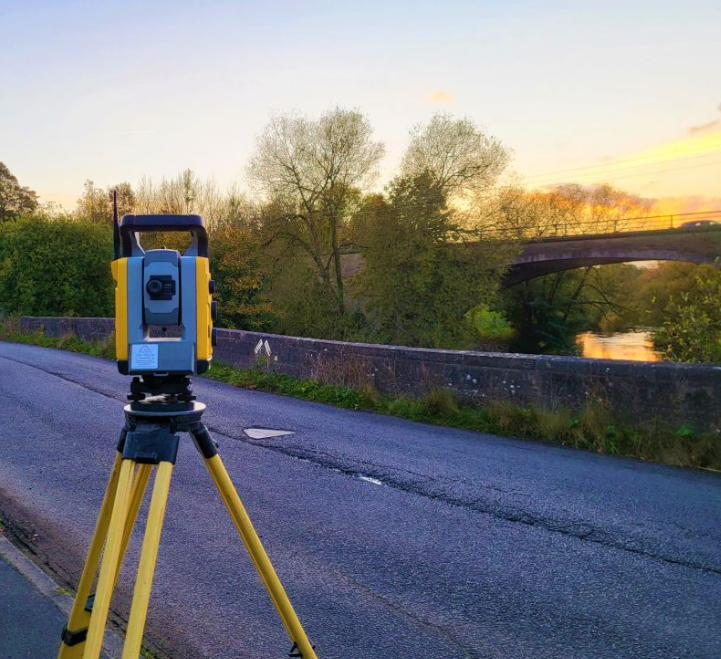
- Total Station
- GPS Survey Machine
- Auto Level
- Drone Survey
- Measuring Tape
- Soil Testing Equipment
- Water Depth Measuring Tools
Today, digital surveying technology makes work faster and better. It also reduces human mistakes.
Tips for Better Bridge Survey
Here are useful tips engineers follow:
1. Always survey in dry and rainy seasons. This shows seasonal changes.
2. Check old flood records. Flood data is very useful.
3. Test soil at different depths. Surface soil alone is not enough.
4.Use modern tools for accurate results. Better data gives better design.
5. Survey surrounding roads and traffic. Future traffic must be considered.
Process, Methods, and Practical
Now you understand what Bridge Survey is and why it is important. But how does the full survey process happen in real life? Let’s learn step by step.
A bridge is not built by guesswork. Every decision is based on measurement, testing, and planning.
That is why engineers follow a clear survey process. Each step helps make construction safer and smarter.
1: Site Visit and First Inspection
The first step is visiting the location. Engineers inspect the area carefully.
They look at roads, land shape, nearby buildings, and natural features. They also check if the place is easy to access.
If the bridge is over water, they study the river or canal. They check width, depth, and water movement.
This first inspection gives a basic understanding of the site. It helps decide the next survey work.
2: Land Measurement
The next step is measuring the area. This is a very important part.
Engineers measure length, width, and land height. They also check slope and ground level.
This work is called land surveying. It creates accurate site information.
Using level survey, engineers understand high and low ground areas. This helps in bridge height planning.
Good measurement means better construction planning. Wrong measurement creates big problems later.
3: Soil Testing
Strong bridges need strong foundations. Foundation strength depends on soil condition.
That is why soil testing is a must. Engineers collect soil samples from different depths.
They test:
- Soil strength
- Soil type
- Moisture level
- Load capacity
- Settlement risk
If the soil is weak, engineers change the design. Sometimes deep foundation systems are used.
4: Water Survey
For river bridges, water study is very important. This survey is called hydrological survey.
Engineers study:
- Water depth
- Flow speed
- Flood level
- River width
- Erosion condition
Fast water can damage bridge foundations. Flood water can create pressure.
Survey helps engineers prepare for these risks.
5: Traffic Study
A bridge is built for people and transport. So traffic planning matters.
Engineers check:
- Number of vehicles
- Heavy truck movement
- Future traffic growth
- Road connection points
This helps choose bridge width and design type. A narrow bridge may create traffic jams later.
That is why traffic analysis is important. It supports smart planning.
6: Environmental Check
Construction also affects nature. So environmental study is needed.
Engineers check:
- Trees and plants
- Water quality
- Animal habitat
- Air pollution effect
- Noise impact
This is part of environmental survey. It helps reduce damage to nature.
Today, green construction is becoming important. Survey helps make eco-friendly plans.
Methods Used in Bridge Survey
Bridge Survey uses different methods. Each method gives useful information.
Manual Survey Method
This is the traditional way. Workers use tape, compass, and leveling tools.
It is simple but slower. Accuracy may be lower.
GPS Survey Method
Modern engineers use GPS surveying. This gives quick and accurate location data.
It saves time. It also improves mapping quality.
Drone Survey Method
Drone survey is very useful today. It captures aerial images.
This helps engineers see the full site clearly. Large areas can be surveyed fast.
Drone mapping improves site analysis. It is now widely used in modern bridge projects.
Digital Survey Method
Modern machines collect digital data. Software turns data into maps and 3D models.
This makes planning easier. Errors become smaller.
Digital construction survey is changing engineering work fast.
Common Problems During Bridge Survey
Survey work is important, but not always easy. Engineers face many challenges.
Bad Weather
Rain and storms create problems. Flood water changes site condition.
This affects measurement accuracy. Survey may need to stop.
Difficult Land Area
Some areas are rocky or muddy. Some are hard to reach.
This makes field work difficult. Special tools may be needed.
Water Movement
Rivers change shape over time. Erosion can affect land stability.
This creates risk for future foundations. Careful study is needed.
Wrong Data Collection
Small mistakes become big problems later. Wrong data causes wrong design.
That is why checking data again is important. Accuracy matters most.
Practical Tips for Better Survey Work
Here are effective tips:
1.Collect data from multiple points. One point is not enough.
2. Use old maps and records. Past data helps future planning.
3. Survey during different seasons. Dry season and rainy season both matter.
4.Use both manual and digital checking. This improves accuracy.
5. Keep safety first during field work. Survey teams must work carefully.
Survey Checklist, Expert Techniques
Now you know how Bridge Survey works step by step. You also understand why careful planning is necessary.
But one more question— Are all bridges surveyed in the same way?
The answer is no. Different bridges need different survey methods.
That is why engineers study the bridge type before final planning starts.
Types of Bridges and Survey Needs
Every bridge has a different design. Because of that, survey work also changes.
1) Beam Bridge
A beam bridge is simple and common. It is usually built over small rivers or roads.
Its structure is straight and easy. But land support must be strong.
For this bridge, engineers focus on:
- foundation survey
- soil testing
- level measurement
- load analysis
Good ground strength is very important here.
2) Arch Bridge
An arch bridge has a curved shape. It looks beautiful and strong.
This bridge spreads weight evenly. But side support must be very strong.
Survey teams check:
- Rock condition
- Side land strength
- Height difference
- Pressure points
Geological survey becomes very important.
3) Suspension Bridge
This bridge is used for long distances. It uses strong cables to hold the bridge deck.
These bridges are built over wide rivers or sea areas. Survey work is more complex.
Engineers study:
- Wind pressure
- Tower foundation depth
- Water movement
- Earthquake risk
- Cable support area
Here, structural survey and environmental survey are very important.
4) Cable-Stayed Bridge
This bridge also uses cables. But its design is different from suspension bridges.
It looks modern and elegant. It is often built in cities.
Survey includes:
- Traffic planning
- Tower load checking
- Soil depth study
- Urban land mapping
Construction planning becomes a key part.
Complete Bridge Survey Checklist
Professional engineers follow a checklist. This helps avoid mistakes.
Here is a simple checklist:
Site location checked Land measured correctly Soil samples collected . River depth measured Flood record studied. Water speed checked Road connection planned Traffic load estimated Environment reviewed . Weather pattern studied Construction access confirmed Safety risks identified . Digital mapping completed Final engineering report prepared
This checklist improves project quality. It also reduces future risk.
Expert Techniques for Better Bridge Survey
Modern engineering uses smart methods. These improve survey results.
Use Drone Mapping
Drones give clear top views. Large land areas become easy to inspect.
This saves time. It also improves site mapping quality.
Use 3D Modeling
Survey data can create 3D models. Engineers can see the project before construction.
This helps find problems early. Design becomes better.
Compare Seasonal Data
Land changes with weather. River water changes across seasons.
Smart engineers compare dry season and rainy season data. This gives better planning.
Double Check Soil Reports
Never trust one soil test only. Check soil in many places.
This gives real ground condition data. Foundation design becomes safer.
Study Future Growth
Think about the future. Traffic will increase.
Population will grow. Bridge design should support future demand.
This is smart engineering planning.
Common Mistakes to Avoid
Some mistakes create serious problems.
Ignoring Flood History
Past flood data matters a lot. Ignoring it can be dangerous.
Flood water can damage foundations. Always check flood records.
Weak Soil Study
Surface soil may look strong. Deep soil may be weak.
Without deep testing, bridges can settle badly. This creates safety risk.
Poor Traffic Planning
Building a narrow bridge saves money now. But traffic problems may come later.
Always think long term. Future planning matters.
Rushing Survey Work
Fast survey creates mistakes. Mistakes create wrong design.
Wrong design creates construction problems. Careful work is always better.
Real Benefits of Proper Bridge Survey
A proper Bridge Survey gives many benefits:
- Better bridge safety
- Strong foundation
- Lower construction risk
- Better design quality
- Lower repair cost
- Faster construction planning
- Longer bridge life
- Better traffic flow
- Improved public safety
- Smarter budget control
Bottom Line / Final Review
A bridge is not only made with steel, concrete, and labor. It is first built with good planning and correct survey work.
Bridge Survey helps engineers understand land. water, soil, traffic, and environment before construction starts.
Related Posts