Stadium Survey
- masum
- May 5, 2026
- Uncategorized
Introduction
Building a large stadium is a big dream and a big project. But have you ever thought, how do engineers know where and how to build it safely? The answer is simple — it starts with Stadium Survey. Before construction starts, engineers carefully look at the land. check the soil, measure the space, and see how water will flow and how people can easily reach the stadium.
A proper Stadium Survey helps make stadium construction safe, smart, and cost-effective. It reduces mistakes, saves time, and helps create better planning from the beginning. In this guide, you will learn about Stadium Survey. why it is important, and how it helps build strong and modern stadiums.
A good survey saves money, reduces mistakes, and helps build a stadium that lasts for many years. Without proper survey work, construction problems can happen later.
In this guide, you will learn everything about Stadium Survey in very simple words.
What is Stadium Survey?
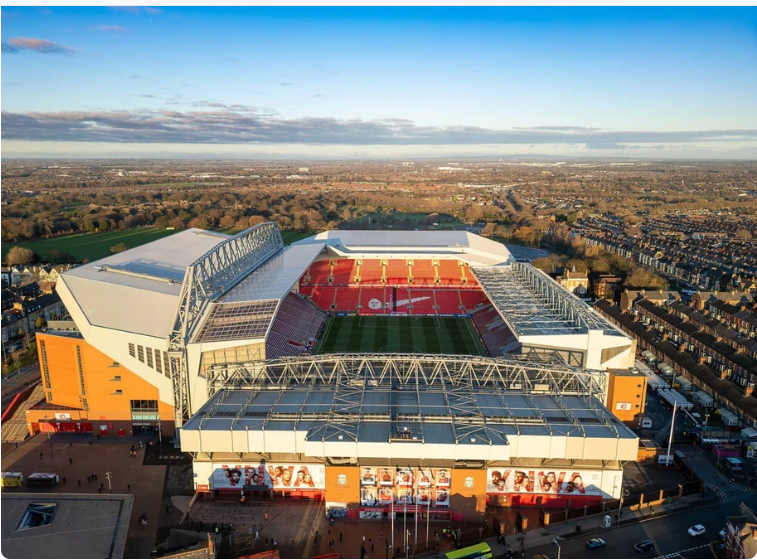
Stadium Survey is the process of checking and . measuring land before building a stadium.
Engineers collect important data about the site. They study the shape of the land, soil condition, water flow. road access, and nearby environment.
This helps them make a safe construction plan.
In simple words, Stadium Survey is the first step of stadium planning.
It works like a health check-up before starting construction.
Why Stadium Survey is Important
A stadium is a very large structure.
Thousands of people may come at one time. There can be cheering crowds, heavy lights, large screens. food courts, parking zones, and emergency roads.
If the land is weak, unsafe, or poorly planned, serious problems can happen.
That is why Stadium Survey is very important.
Main benefits:
- Helps choose the best land
- Finds weak soil early
- Checks flood risk
- Measures exact area
- Helps good drainage design
- Improves road planning
- Supports safe foundation work
- Reduces future repair cost
Main Goals of Stadium Survey
For stadium construction, engineers focus on many points.
1) Check Land Size
First, engineers measure the total area.
They check length, width, shape, and boundary lines.
This helps decide where to build:
- Main field
- Seating area
- VIP box
- Parking
- Entry gate
- Food zone
- Emergency path
- Drainage line
2) Understand Ground Level
Not all land is flat.
Some areas are high. Some are low.
A topographic survey helps engineers understand land levels.
This is important because stadium land should be balanced properly.
Uneven land can increase construction cost.
3) Test Soil Strength
This is one of the most important parts.
Large stadiums are very heavy structures.
The soil must be strong enough.
Engineers perform soil testing to check:
- Soil type
- Bearing capacity
- Moisture level
- Soil depth
- Soil stability
Weak soil needs treatment before construction starts.
4) Check Water Drainage
Rainwater management is very important.
Imagine heavy rain during a football match.
Where will the water go?
Without proper drainage:
- field gets flooded
- roads become muddy
- parking fills with water
- structure weakens over time
A drainage survey helps solve this problem early.
Types of Stadium Survey
Different surveys are needed.
Each survey gives useful information.
Topographic Survey
This survey measures land shape.
It checks:
- hills
- slopes
- low areas
- natural surface
- elevation changes
Boundary Survey
This survey checks exact land limits.
It prevents land disputes later.
Clear boundaries make planning easier.
This also helps legal approval.
Soil Survey
This checks ground strength.
It is used for foundation design.
Strong foundation means strong stadium.
Environmental Survey
Engineers check nature around the site.
They study:
- trees
- water bodies
- noise level
- air quality
- wildlife impact
This helps eco-friendly planning.
Tools Used in Stadium Survey
Survey teams use special tools.
These tools improve accuracy.
Common tools include:
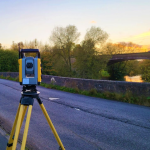
- Total Station
- GPS device
- Drone survey camera
- Measuring tape
- Level machine
- Soil testing machine
- Survey rod
- Digital mapping software
Today, drone technology makes site inspection faster and smarter.
Smart Tip for Better Stadium Survey
One useful tip is simple:
Never depend on one survey only.
Use combined surveys:
✔ land measurement ✔ soil testing ✔ drainage check ✔ environmental check ✔ road access survey
This gives full site understanding.
Process of Stadium Survey
A good Stadium Survey follows a clear process.
Engineers do not guess.
They collect real data and make smart plans.
Each step is important.
1) Site Visit and First Inspection
The first step is visiting the land.
Survey engineers walk around the full site.
They look at:
- land shape
- nearby roads
- water sources
- buildings nearby
- traffic movement
- safety issues
This first look gives a basic idea.
It helps engineers plan the full survey work.
2) Collect Base Information
Next, engineers collect background details.
They check old maps and land records.
They also study:
- area history
- flood records
- weather pattern
- land ownership
- nearby development plans
This helps avoid future problems.
3) Land Measurement
Now the exact measuring starts.
Engineers use modern equipment to measure the site.
They record:
- total land area
- width and length
- corners
- boundary lines
- elevation points
This creates an accurate site map.
That map becomes the base of stadium planning.
4) Topographic Mapping
Land is rarely fully flat.
Some parts may be higher.
Some may be lower.
A topographic survey shows the full ground shape.
It helps engineers understand:
- slope direction
- water flow path
- cut and fill work
- natural land level
- earthwork needs
5) Soil Investigation
A stadium needs a strong base.
That is why soil testing is very important.
Engineers drill into the ground.
Then they collect soil samples.
They test:
- strength
- density
- moisture
- compression
- settlement risk
This tells engineers how deep the foundation should be.
6) Drainage Planning Survey
Water is one of construction’s biggest enemies.
Heavy rain can damage roads, parking, and playing fields.
A drainage survey studies:
- rainfall level
- water flow
- nearby canals
- underground water
- flood zone risk
This helps build smart drainage systems.
7) Traffic and Access Survey
A big stadium means big crowds.
Thousands of people may arrive at once.
That creates traffic pressure.
Survey engineers check:
- road width
- entry points
- exit routes
- bus access
- parking area
- emergency vehicle route
This is part of site inspection.
Good access planning improves visitor experience.
It also helps emergency response.
Important Areas Checked in Stadium Survey
A full Stadium Survey looks at many details.
Here are the most important ones.
Ground Stability
The land must be stable.
Soft or moving ground is risky.
Engineers check if the ground can hold:
- seating blocks
- roof structure
- towers
- screens
- lighting poles
- crowd load
Flood Risk
Low land can flood easily.
Flood water can damage the field and building.
Survey teams study:
- nearby rivers
- drainage channels
- rain history
- water storage areas
Wind Direction
Wind matters in stadium design.
Strong wind affects:
- roof design
- lighting poles
- flags
- sound system
- player comfort
Engineers check wind speed and direction.
Sunlight Position
Sun direction is important.
Too much sunlight can disturb players and viewers.
Survey teams study sunlight angle.
This helps seat planning and field direction.
Smart design improves comfort.
Common Problems Found During Stadium Survey
Sometimes survey teams find issues.
That is normal.
The goal is to find them early.
Weak Soil
Soft soil may need treatment.
Possible solutions:
- deep foundation
- soil replacement
- compaction work
- piling system
Uneven Land
High and low areas increase earthwork cost.
Engineers solve this through grading.
Land becomes balanced.
Construction becomes easier.
Water Logging
Standing water is dangerous.
It weakens soil and creates mud.
Proper drainage design solves this issue.
Road Access Problem
Narrow roads create traffic jams.
Solution may include:
- road widening
- extra gates
- new access roads
- traffic management plan
Real Tips for Better Stadium Survey
Here are useful tips professionals follow.
Use Drone Survey
Drone mapping is fast.
It covers large areas easily.
It gives detailed images.
It improves engineering survey quality.
Survey in Rainy Season Too
Dry season land looks different.
Rainy season reveals drainage problems.
Checking both seasons gives better data.
Double Check Measurements
Small measuring mistakes create big construction problems.
Always verify field data.
Keep Future Expansion Space
A stadium may grow later.
Extra seating may be added.
Parking may need expansion.
Survey extra land if possible.
Think long-term.
Modern Technology in Stadium Survey
Today, Stadium Survey has become smarter and faster because of modern technology. In the past, survey teams needed many workers and long working hours to measure land. Now, advanced machines can do the work more quickly and with better accuracy. This saves time, reduces mistakes, and improves planning quality.
One of the best tools used today is drone survey technology. Drones can fly over large land areas and take detailed pictures from above. These images help engineers clearly understand land shape, slopes. water paths, and nearby roads.
GPS technology is also very useful in Stadium Survey. It helps engineers find exact land positions and accurate boundary points. This improves mapping work and reduces measurement errors. With GPS, large stadium projects become . easier to plan because every measurement becomes more reliable.
Digital mapping software has changed the survey industry as well. Survey data can now be turned into smart maps and 3D models. Engineers can view the future stadium design before construction starts. This helps them improve stadium planning. manage space wisely, and solve design problems early.
Mistakes to Avoid in Stadium Survey
Many construction problems happen because early survey work was weak. One common mistake is ignoring soil testing. Some builders focus only on land size and location, but forget to check ground strength. Weak soil can later cause cracks, sinking foundations, and costly repairs.
Another mistake is poor drainage planning. Rainwater must always have a clear path to move away from the stadium area. If drainage is ignored, water can collect on the field, parking areas, and roads. Over time, standing water damages both land and structure.
Some projects also make the mistake of not studying future traffic. A stadium attracts large crowds during events. Without proper road planning, traffic jams become serious. Good construction survey work must include parking space. entry roads, exit roads, and emergency vehicle access.
Skipping environmental study is another problem. Cutting trees, blocking natural water flow. or harming nearby ecosystems can create long-term damage. Modern engineering survey work should always balance development with nature. A smart stadium should be strong, useful, and environmentally friendly.
How a Good Stadium Survey Saves Money
Many people think survey work is only an extra cost. In reality, a proper Stadium Survey saves a lot of money. When engineers know the land clearly. they avoid design mistakes, reduce repair costs, and improve construction speed. Good planning also prevents waste of materials.
A clear survey also helps choose the right foundation type. This avoids overbuilding or underbuilding. Both can be costly. Correct design means better use of budget and stronger results. This is why survey work is considered an investment, not an expense.
Survey work also reduces project delays. When site problems are found early, solutions can be planned before construction begins. This keeps work moving smoothly. Time saved in construction often means large money saved too.
Bottom Line / Review
A successful stadium does not start with bricks, steel, or concrete. It starts with a proper Stadium Survey. This early work helps engineers understand land condition. soil strength, drainage, traffic access, and environmental impact. Every important design decision depends on this survey.
A strong survey creates a strong foundation for the whole project. It improves safety, reduces cost, saves time, and supports long-term performance. With modern tools like drones, GPS, digital mapping, and detailed land survey methods. stadium construction has become more accurate than ever before.
Related Posts