Railway Survey
- masum
- May 3, 2026
- Uncategorized
Introduction
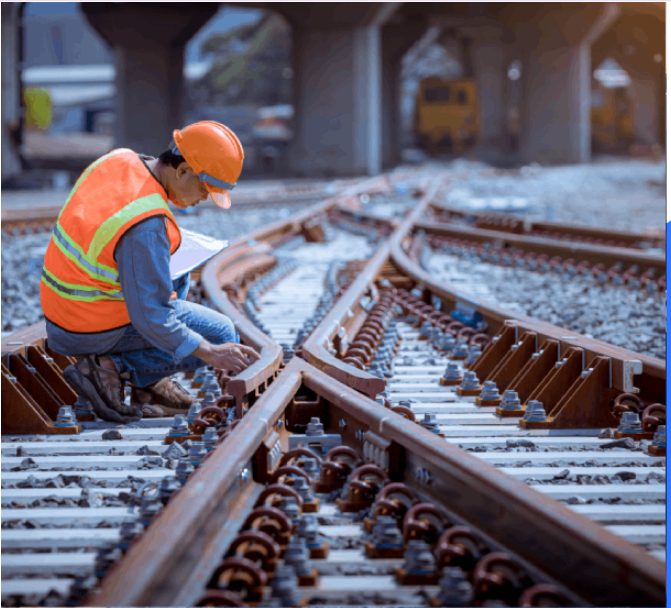
Have you ever thought how a railway track is built so perfectly from one city to another? How engineers decide the exact place where trains will run safely for years? The answer is Railway Survey.
Railway Survey is the first and most important step before building a railway line. Before construction starts. engineers check the land carefully to make sure it is safe and good for building the railway track. They measure the distance, study the soil condition. and check the land height to make sure the route is safe for railway construction. This process helps to choose the safest and most suitable route for railway tracks.
In simple words, Railway Survey means planning the railway route before construction starts. It ensures that the train line is safe, strong, and cost-effective.
If Railway Survey is not done properly, many problems can happen in railway projects. The ground may become weak, the track may have unsafe turns. water may cause flooding, and the construction cost can become very high. That is why Railway Survey plays a key role in every railway project.
What is Railway Survey?
Railway Survey means checking and studying land before building a railway track.
In this process, engineers visit the field and collect important data about the land.
They try to understand:
- Which route is best
- How high or low the land is
- Where water flows
- Where soil is strong or weak
- Where bridges or tunnels may be needed
In simple words, Railway Survey helps to decide “where the train line should go”.
Why Railway Survey is Important?
Railway projects are very big and expensive. A small mistake in planning can create big problems later.
1. Best Route Selection
Engineers cannot build railway tracks anywhere they want.
Some areas have rivers, some have hills, and some have weak soil.
So they do a Railway route survey to find the safest and easiest path.
2. Proper Land Level
Train needs a smooth and balanced track.
If the land is too up and down, trains cannot move safely.
That is why engineers do Level survey for railway.
This helps them measure land height and make a smooth design.
3. Safe Track Design
Railway tracks must be safe and smooth.
If there are sharp curves, accidents can happen.
So engineers do Track alignment survey to design proper curves and straight lines.
4. Save Construction Cost
Wrong planning increases cost.
Engineers may need extra soil filling, bridges, or land changes.
But a proper Railway construction survey helps reduce these problems.
It gives clear planning before construction starts.
What Engineers Check in Railway Survey?
During Railway Survey, engineers carefully study the land.
They check:
- Land height (high and low areas)
- Soil strength (soft or strong ground)
- Water flow direction
- Distance between points
- Natural obstacles like rivers or hills
They also check if the land is strong enough for railway foundation.
Real-Life Simple Example
Let’s understand in a very simple way.
Imagine you want to walk from your home to school.
You will not choose a muddy, flooded, or blocked path.
You will choose a clean and easy road.
Railway Survey works the same way.
Engineers choose the safest and easiest path for trains.
Tools Used in Railway Survey
Engineers use different tools to measure land correctly.
Some important tools are:
Measuring tape – Used to measure short distance on land. It helps in basic field measurement.
GPS device – It shows exact location using satellite. It helps engineers find accurate position of land.
Level machine – It is used to measure land height. It helps make smooth railway slope.
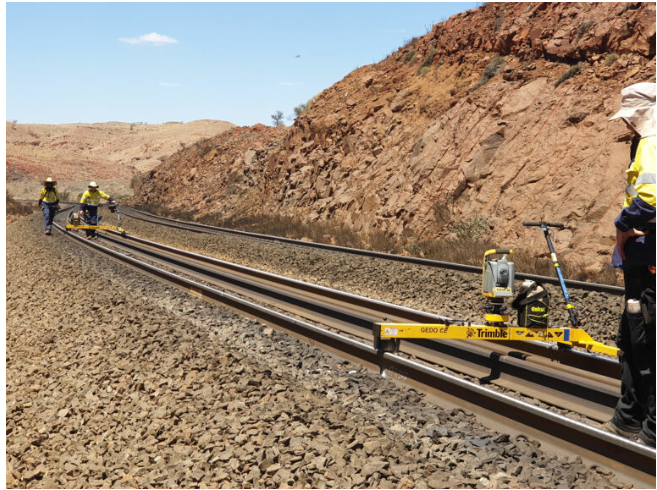
Total Station – A modern tool that measures distance, angle, and position together. It gives very accurate data.
Drone camera – It captures aerial view of land. It helps engineers see large area easily for planning.
Bridge and Tunnel Planning in Railway Survey
When engineers plan a railway line, they cannot always build it on flat land. Many times, they face rivers, hills, and deep valleys. In these situations, bridges and tunnels are needed. That is why Railway Survey. plays a very important role in finding where these structures should be built.
During survey work, engineers first study the land and identify problem areas. If a river is crossing the route, they mark that point for a bridge. If there is a very high hill, they may plan a tunnel. This planning is done very carefully to reduce cost and improve safety.
Earthwork in Railway Survey
Another important part of railway planning is earthwork. Earthwork means cutting high land and filling low land to make a smooth railway path. This is very important because trains need a balanced and stable track.
During Railway Survey, engineers measure how much soil needs to be cut or filled. If the land is too high, they plan cutting. If the land is too low, they plan filling with soil. This process helps create a smooth track level for trains.
Drainage System Planning
Water is a big problem for railway tracks. If water stays on the track, it can damage the railway foundation. That is why drainage planning is a key part of Railway Survey.
Engineers study how water flows in the area during rain. They check low areas where water can collect. Then they design drains, small canals, and water outlets to keep the railway line safe and dry.
Field Survey Process
Railway survey is not done in office only. Engineers must go to the field and work on the land directly. This is called field survey.
First, they walk through the area and observe the land condition. Then they take measurements using tools like GPS, Total Station, and Level machine. They mark important points on the ground for future construction.
After collecting data, they prepare maps and drawings. These maps show where the railway track will go, where bridges will be built, and how the land will be used.
Challenges in Railway Survey
Railway survey is not an easy job. Engineers face many challenges during the process.
One common problem is rough land. Some areas have hills, forests, or rivers, which make survey work difficult. Another problem is weather. Rain or flood can delay field work.
Sometimes land ownership issues also create problems. Engineers may need to adjust the route because of private land or villages.
Importance of Accuracy in Railway Survey
Accuracy is the most important part of Railway Survey. If the measurement is wrong, the whole railway design can fail. Even a small mistake in distance height can create big problems during construction.
That is why engineers always double-check their data. They use modern tools like GPS, Total Station, and Level machine to get exact results. Accurate survey helps in safe track design and long-lasting railway construction.
Good accuracy also reduces future repair cost and improves train safety.
Modern Technology in Railway Survey
Today, Railway Survey is not done only with simple tools. Modern technology has made this work faster and more accurate.
Engineers now use drone camera to capture aerial images of large areas. This helps them understand the full land shape in a short time. They also use digital mapping software to design railway routes on computer.
GPS systems give real-time location data, which helps in perfect route planning. These technologies reduce human error and make survey work more efficient.
Safety Planning in Railway Survey
Safety is always the first priority in railway projects. During Railway Survey, engineers think about passenger safety first.
They avoid dangerous curves, weak soil areas, and flood-prone zones. They also plan safe distance between railway . track and nearby roads houses and rivers.
Cost and Time Management
A good Railway Survey helps save both money and time. If the survey is done properly, engineers already know where to build bridges. where to cut land, and where to fill soil.
This reduces extra work during construction. It also avoids unnecessary material use. As a result, the project becomes more budget-friendly.
Environmental Consideration
Modern railway planning also considers the environment. During Railway Survey . engineers try to avoid cutting too many trees or damaging natural land.
They also study water flow and wildlife areas. The goal is to build railway lines without harming nature too much.
This makes railway projects more sustainable and eco-friendly.
Career in Railway Survey
Railway Survey is also a good career option for civil engineering students. Survey engineers work in government and private railway projects.
They need skills in land measurement, mapping, and using modern survey tools. With experience, they can work on big infrastructure projects like railwayshighways, and bridges.
So, it is a respected and growing field in engineering.
Tools Summary
In Railway Survey, engineers mainly use:
- Measuring tape for short distance
- GPS device for location tracking
- Level machine for height measurement
- Total Station for accurate angle and distance
- Drone camera for aerial mapping
Bottom Line
Railway Survey is not only about measuring land. It is a complete planning process for safe railway construction.
It helps engineers decide where bridges, tunnels, earthwork, and drainage systems are needed. It also ensures the railway track is safe, strong, and cost-effective.
Final Conclusion
Railway Survey is the foundation of every railway project. It is the first and most important step before construction begins.
It helps engineers choose the best route, design safe tracks. plan bridges and tunnels, and manage cost effectively. Without proper survey, railway construction cannot be safe or successful.
Related Posts